
Cellulite removal: myths, facts, and what really helps
A quick search for cellulite removal turns up thousands of products and devices, most of them promising complete elimination in days. If cellulite removal were truly that simple, it would not remain one of the most common cosmetic concerns among women of every body type. Understanding what cellulite is, and separating marketing claims from clinical evidence, is the first step toward a treatment plan that produces real results instead of disappointment.
This post covers common cellulite removal myths, what the research supports, which treatment options genuinely help, and how to build realistic expectations around treatment.
In case you are new here, I am Brenda Herrera, founder of Herrera MD MedSpa, a physician-led medical spa helping women reconnect with their confidence through ethical, medically guided aesthetic care. We believe you deserve honest information before you invest time or money into any cellulite removal option, which is exactly why we start this post with the myths first.
Common cellulite removal myths
Marketing around cellulite removal is some of the most misleading in the entire aesthetics industry, largely because cellulite is so common and so many products compete for attention with bold, unverified claims.
Myth: cellulite only affects women who are overweight
Cellulite affects women of every body type, including those who are thin and physically fit, because it is caused by the structure of connective tissue, not simply the amount of fat present. We regularly see patients at a healthy weight, sometimes very athletic, who are frustrated that diet and exercise have not resolved cellulite that has nothing to do with their fitness level in the first place.
Myth: cellulite creams can permanently remove it
Topical creams may temporarily improve skin texture, but they cannot reach or restructure the fibrous bands beneath the skin that cause the dimpling. Even the best-formulated retinol creams work by thickening the outer layer of skin, which can make cellulite less visible, not by resolving the structural cause underneath it.
Myth: cellulite removal is a one-time fix
Even effective clinical treatments require a series of sessions and ongoing maintenance, since the biological factors behind cellulite continue after any single treatment. A provider who tells you one session will permanently resolve your cellulite is either misinformed or not being fully transparent with you.
Myth: massage devices can break up cellulite for good
Massage improves circulation and can temporarily smooth the skin's appearance, but the effect fades once the massage stops. This does not mean massage has no value, it can be a helpful complement to clinical treatment, but it should not be relied on as a standalone solution.
What causes cellulite?
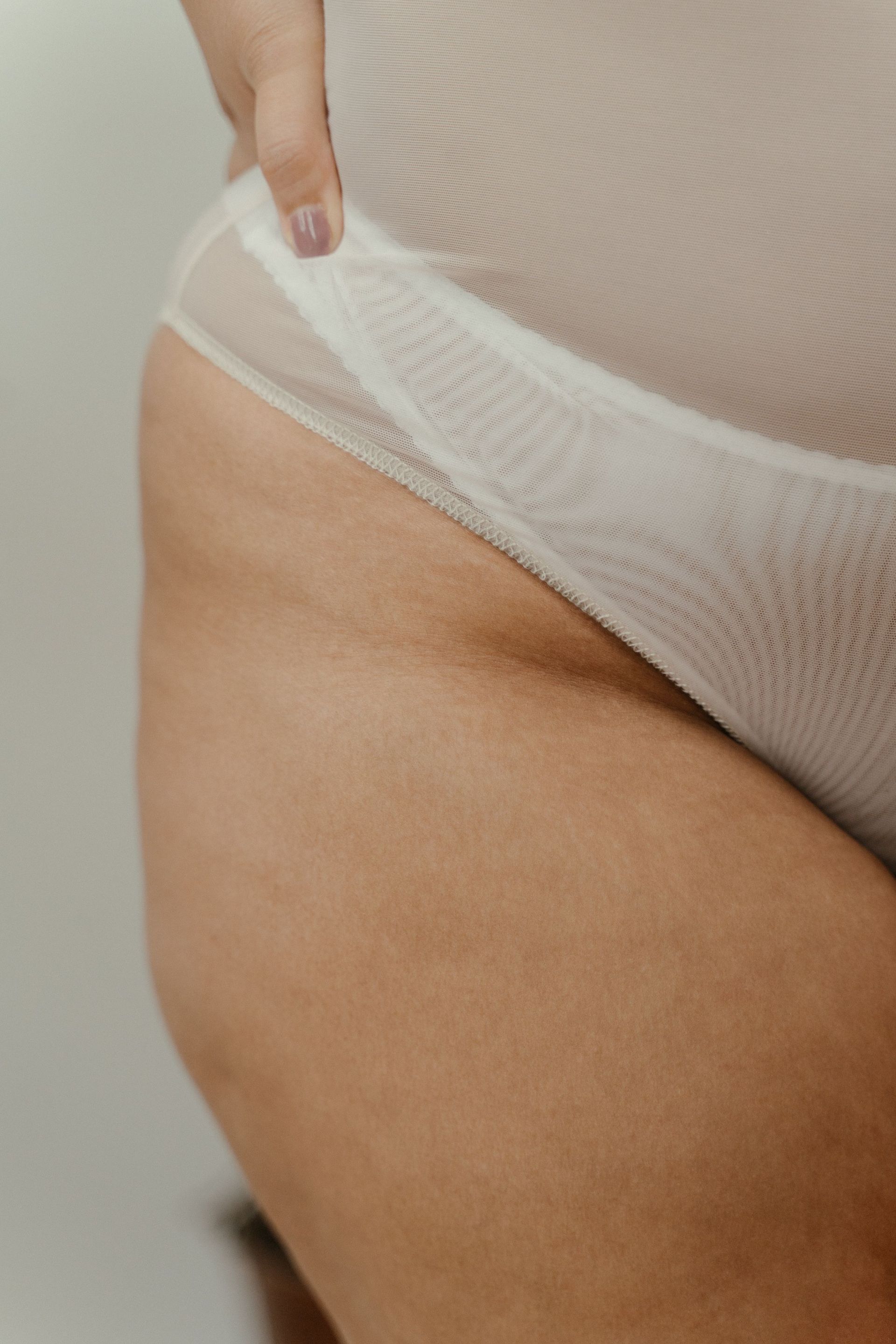
Before discussing what helps, it is worth being precise about what cellulite is. Fibrous connective bands run vertically beneath the skin, anchoring it to deeper tissue layers. When fat cells beneath the skin expand or shift, they can push up against skin that is being pulled down by these bands, creating the dimpled surface most people recognize as cellulite. This structural interaction is why cellulite removal approaches that only reduce fat, without addressing the bands or skin quality, often produce disappointing results. It also explains why some very lean women still have visible cellulite, since the bands and skin thickness matter as much as, or more than, the volume of fat present.
Why severity varies so much between individuals
Two people with a similar body composition can have very different degrees of visible cellulite, largely because of differences in skin thickness, the number and arrangement of fibrous bands, and genetic factors that are still not fully understood. This variation is part of why we avoid one-size-fits-all promises and instead evaluate each patient's presentation individually before recommending a specific removal approach.
What works for cellulite removal
Clinical evidence points to a small set of approaches that meaningfully improve the appearance of cellulite.
| Approach | How it works |
|---|---|
| Subcision | A provider releases the fibrous bands pulling down on the skin, which can smooth dimpling for several years |
| Radiofrequency and laser treatments | Heat is used to stimulate collagen and thicken skin, making cellulite less visible over a series of sessions |
| Acoustic wave therapy | Sound waves help break down fibrous bands and improve circulation in the treated area |
| Combination devices | Layer several of the above technologies together, often producing more complete results than any single approach |
Subcision: releasing the fibrous bands directly
Subcision is a minimally invasive procedure in which a provider uses a small needle or blade beneath the skin to physically release the fibrous bands responsible for dimpling. Because it addresses the structural cause directly, results from subcision tend to last longer than energy-based treatments alone, though it does involve some downtime and is typically performed by a physician or specially trained provider.
Radiofrequency and laser treatments
These approaches work by heating tissue to a specific therapeutic temperature, which stimulates fibroblasts to produce new collagen. Over a series of sessions, this thickens the skin enough to visibly reduce the appearance of dimpling, even though the fibrous bands themselves remain in place. This category includes many of the most widely used non-invasive cellulite devices available today.

Acoustic wave therapy
Acoustic wave therapy uses focused sound waves to mechanically disrupt fibrous bands while also stimulating blood flow and lymphatic drainage in the treated area. It is generally well tolerated and requires no downtime, making it a popular choice for patients seeking a non-invasive option with a reasonable time commitment.
Combination approaches
Devices that layer radiofrequency, laser, and vacuum technology together, like T-Shape 2, aim to capture the benefits of several approaches within a single treatment series. For patients dealing with cellulite alongside fat or skin laxity, this combined approach often produces a more complete result than any single technology alone.
What to expect during a cellulite removal treatment series
Most effective cellulite removal treatments follow a similar general pattern, even though the specific technology varies.
The consultation and assessment
A proper consultation includes an assessment of your cellulite grade and rules out approaches that will not meaningfully help your specific case. This is also the point where we discuss your goals, your timeline, and whether cellulite is your only concern in the treatment area or whether fat and skin laxity should be addressed alongside it.
The treatment series and timeline
- A series of sessions, generally spaced one to two weeks apart
- Gradual visible improvement over several weeks, as collagen remodeling continues after each session
- Maintenance sessions every few months to preserve results long term
- Most non-invasive options involve little to no downtime, which makes them accessible for patients balancing treatment with a full schedule
Tracking your progress
Because change happens gradually, we recommend tracking progress with photos taken under consistent lighting at the start of treatment and periodically throughout the series. Cellulite improvement can be subtle from week to week but noticeable when comparing the beginning of a series to several weeks in.
Why realistic expectations matter
Cellulite removal is not about achieving perfectly smooth skin with zero texture, an outcome that is not realistic even for women who have never had cellulite. It is about meaningfully reducing the visibility of dimpling and improving skin quality so you feel confident in the areas that have bothered you.
Recognizing an unrealistic promise
A provider who promises complete, permanent removal from a single session, or who guarantees a specific timeline for dramatic results, is not giving you an honest picture of what any current technology can deliver. Approach any claim of guaranteed, total elimination with healthy skepticism, and ask providers directly what percentage of patients see meaningful improvement and how that improvement is typically measured. A trustworthy provider should be comfortable answering these questions directly and should be willing to show you real before and after examples rather than relying on vague testimonials or stock imagery.
Questions worth asking before starting treatment
Before committing to a cellulite removal plan, it is reasonable to ask how many sessions a typical patient with your cellulite grade needs, what maintenance schedule is recommended afterward, and what the provider's own clinical experience has been with the specific device or technique being recommended. A provider who welcomes these questions and answers them clearly is generally a good sign that you are receiving individualized, honest care rather than a generic sales pitch.
You deserve honesty, not a sales pitch
You are tired of being sold trendy treatments you may not even need, and you deserve better than that. Here, we lead with honesty. You will never be sold a treatment that is not right for your goals.
Every cellulite removal plan we build starts with a clear, honest conversation about what results are realistic for you. We proudly serve patients from our Med Spa in Rochester Hills, MI location. Book your consultation today.

Hi, I’m Dr. Brenda Herrera
An internal medicine physician with nearly two decades of experience





Medical disclaimer. The content on this blog is provided for general informational and educational purposes only. It does not constitute medical advice, a medical opinion, a diagnosis, or a treatment recommendation, and it is not a substitute for care from your own physician or another qualified healthcare provider. Reading this blog or contacting us through this site does not create a physician-patient relationship. Always seek the advice of your physician with any questions you may have about a medical condition, and never disregard or delay seeking professional medical advice because of something you read here. If you think you may have a medical emergency, call 911 or go to the nearest emergency room immediately.