
Can HRT Help With Weight Loss ? What Women Need to Know
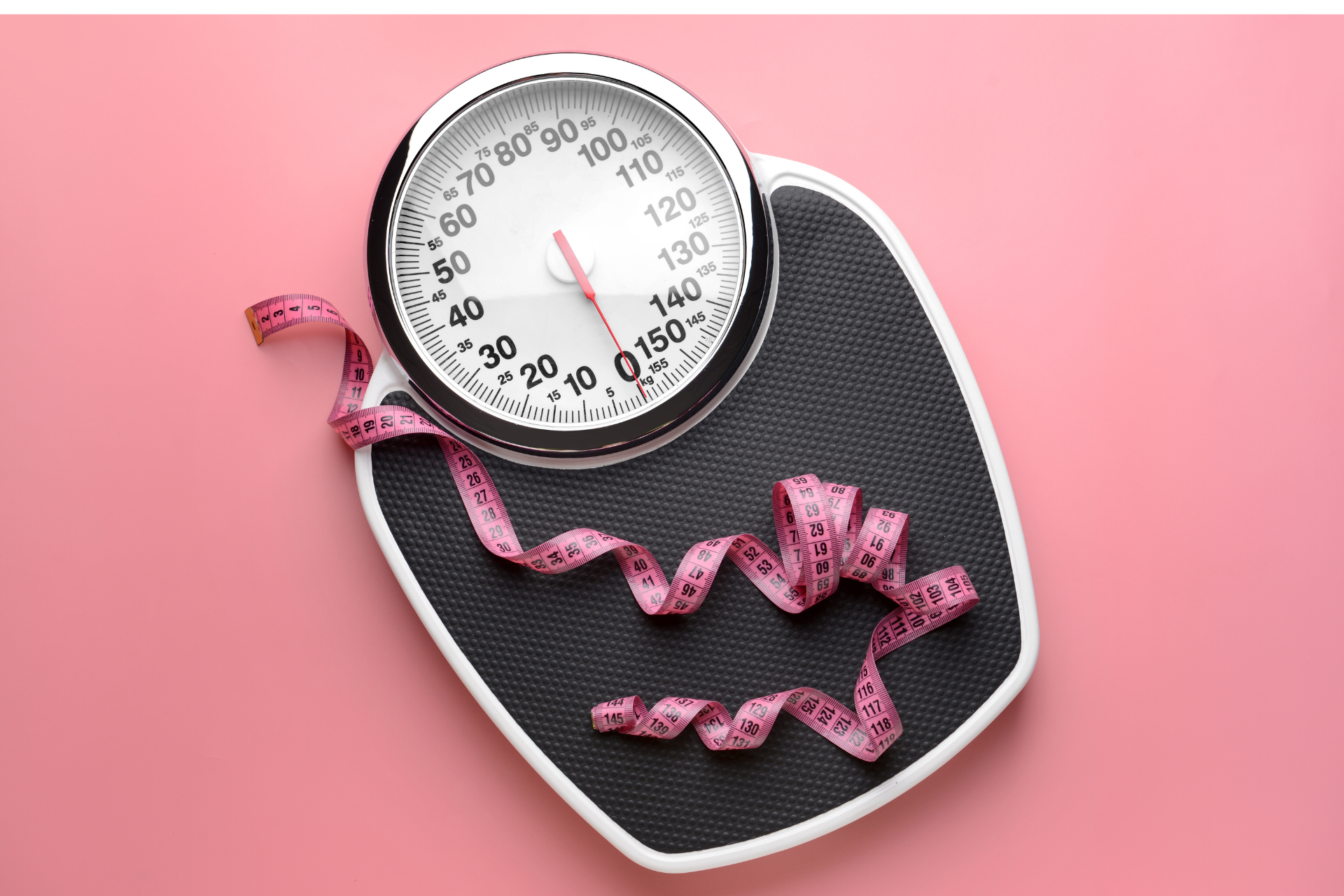
You haven’t changed your diet.
You’re still active.
You’re doing everything that used to work.
Yet your body no longer responds the same way. The number on the scale creeps up slowly, almost quietly. Your clothes feel tighter around the waist. Your energy dips earlier in the day. Sleep feels lighter, less restorative. You may notice mood shifts, brain fog, or a growing sense of disconnection from your body.
For many women, this phase is deeply confusing. You feel like you are doing everything “right,” yet your body seems to be moving in the opposite direction. It is common to internalize this as failure or loss of discipline, when in reality, something much deeper is changing.
This is often when women begin asking a question they never expected to ask.
Can hormone replacement therapy help with weight loss?
At Herrera MD MedSpa, we approach this question with honesty, empathy, and medical responsibility. I’m Dr. Brenda Herrera, an internal medicine physician with nearly two decades of experience caring for women through hormonal transitions. My work focuses on helping women understand what is happening inside their bodies and guiding them through evidence-based solutions that restore balance, confidence, and long-term wellbeing.
If you are experiencing unexplained weight gain, low energy, or changes related to perimenopause or menopause, you can explore our medspa and aesthetic services in Rochester Hills, MI, including hormone therapy for women and weight loss, to see how we combine science and care to restore balance from the inside out.

What is HRT, and how does it relate to weight loss?
Hormone replacement therapy, commonly referred to as HRT, is a medical treatment designed to replace hormones that naturally decline with age, primarily estrogen and progesterone. In selected cases, testosterone support may also be part of a comprehensive plan.
These hormones play a critical role far beyond reproductive health. They regulate how your body processes carbohydrates, stores fat, builds muscle, manages inflammation, and responds to insulin. They also influence sleep quality, appetite signaling, mood stability, and overall energy levels.
As hormone levels decline, the body becomes less metabolically efficient. Insulin resistance increases, inflammation rises, and fat storage becomes easier, particularly around the abdomen. At the same time, muscle mass gradually decreases, lowering resting metabolic rate. This combination increases the likelihood of weight gain and makes weight loss significantly harder, even when eating habits and activity levels remain unchanged.
It is essential to clarify that HRT is not prescribed for weight loss. However, by restoring hormonal balance, it can remove internal metabolic barriers that prevent weight loss from occurring. When the body is hormonally supported, it becomes responsive again to nutrition, movement, and lifestyle interventions.
This is why medically supervised hormone therapy for women is often a foundational component of sustainable change for women in midlife.
How hormonal imbalance hides behind stubborn weight
Hormonal imbalance often disguises itself as a willpower problem when it is actually a physiologic one.
Declining estrogen levels are associated with increased insulin resistance, meaning the body has a harder time regulating blood sugar. This promotes fat storage and chronic low-grade inflammation, both of which interfere with weight loss.
Progesterone imbalance can contribute to fluid retention, bloating, anxiety, and disrupted sleep. Sleep disruption alone significantly alters hunger hormones and increases cravings, particularly for carbohydrates and sugar.
Testosterone plays a key role in preserving lean muscle mass. As testosterone levels decline, muscle mass decreases, lowering resting metabolic rate. With fewer calories burned at rest, weight gain becomes easier, and fat loss becomes more resistant.
When these systems are out of balance, the body actively resists weight loss regardless of effort. Understanding this shifts the conversation from blame to biology and opens the door to targeted, effective treatment.
Rebalancing, not restricting. How HRT supports real change
Hormone therapy does not force weight loss, and it does not override lifestyle choices.
What it does is restore internal balance so your body can finally respond to the healthy habits you may already be practicing. Many women are already eating well and staying active, yet their bodies are no longer responding due to hormonal resistance.
When hormones are supported appropriately, women often notice reduced bloating, fewer cravings, deeper and more restorative sleep, improved mood stability, and more consistent energy throughout the day. These changes make healthy behaviors easier to sustain and more effective.
This is the difference between constantly pushing against your body and working in partnership with it. At Herrera MD MedSpa, hormone therapy is never about restriction or punishment. It is about restoring the internal environment that allows your body to function as it was designed to.
Our approach to hormone therapy for women emphasizes sustainability, balance, and long-term metabolic health rather than quick or extreme results.
Choosing the right type of hormone therapy for your goals
Hormone therapy is not one-size-fits-all. The right approach depends on your medical history, current symptoms, laboratory findings, and personal goals.
Safety is always the priority. Treatment plans are built using the lowest effective dose, with careful attention to duration and regular reevaluation. This ensures that benefits are maximized while risks are minimized.
Bioidentical hormone therapy
Bioidentical hormones are chemically identical to the hormones your body naturally produces. They are customized to your physiology and may support metabolic efficiency, muscle preservation, and emotional balance while maintaining a natural appearance and feel.
Testosterone optimization
Testosterone is often overlooked in women, yet it plays a crucial role in energy, strength, and metabolism. When optimized safely, testosterone can support lean muscle mass, improve motivation, and increase resting calorie expenditure.
Thyroid and metabolic support
Some women experience subtle thyroid or metabolic signaling dysfunction that contributes to fatigue and weight resistance. Identifying and supporting these systems can significantly improve energy levels and metabolic response when traditional approaches fall short.
All therapies are prescribed and monitored under medical supervision with ongoing assessment.
How long does it take to see results from HRT?
Hormone therapy works gradually, which is what makes it sustainable.
Many women begin noticing improvements in sleep quality, mood stability, and mental clarity within the first four to six weeks. These early changes often create a foundation for further progress.
Changes in body composition typically occur between eight and twelve weeks as inflammation decreases, insulin sensitivity improves, and muscle metabolism becomes more efficient. Weight loss may progress more slowly than diet-driven approaches, but it is more stable and easier to maintain.
Our goal is not rapid transformation, but consistent, lasting improvement that feels supportive rather than exhausting.
How much weight can you realistically lose with HRT?
There is no universal outcome because every woman’s physiology and starting point differ.
For many women, the most meaningful changes extend beyond the scale. Improved energy, reduced cravings, better sleep, and renewed confidence often matter more than a specific number.
When hormonal balance is restored, the body stops resisting change. With appropriate lifestyle support, many women experience five to fifteen pounds of sustainable fat loss over time. More importantly, they regain control and trust in their bodies.
This is why hormone therapy for women is about restoring alignment rather than chasing rapid results.
When HRT may not be appropriate
Hormone therapy is not appropriate for every woman. Certain medical histories, active conditions, or risk factors require alternative approaches or careful consideration.
This is why comprehensive evaluation, informed consent, and ongoing monitoring are essential. Hormone therapy should always be periodically reassessed to ensure that benefits continue to outweigh potential risks.
The goal is not long-term dependency. The goal is an informed, supported balance.
Ready to feel like yourself again?
If you’re tired of guessing, restricting, or feeling disconnected from your body, you don’t have to navigate this alone.
Explore our hormone therapy for women + weight loss services and schedule a consultation with a physician who listens, explains, and guides with clarity.
You’re not asking for too much.
You’re finally asking for yourself..
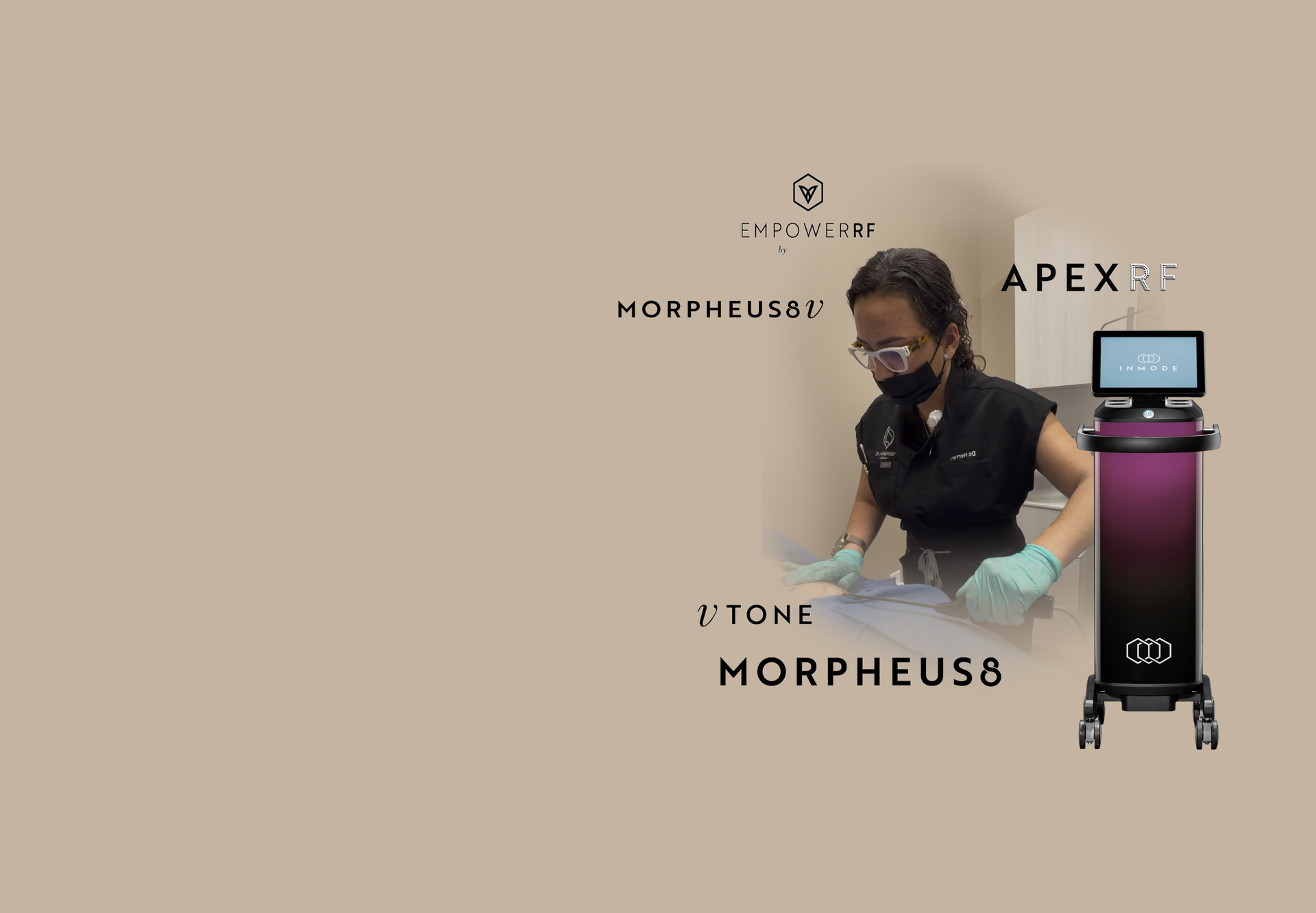
Hi, I’m Dr. Brenda Herrera
An internal medicine physician with nearly two decades of experience





Medical disclaimer. The content on this blog is provided for general informational and educational purposes only. It does not constitute medical advice, a medical opinion, a diagnosis, or a treatment recommendation, and it is not a substitute for care from your own physician or another qualified healthcare provider. Reading this blog or contacting us through this site does not create a physician-patient relationship. Always seek the advice of your physician with any questions you may have about a medical condition, and never disregard or delay seeking professional medical advice because of something you read here. If you think you may have a medical emergency, call 911 or go to the nearest emergency room immediately.